
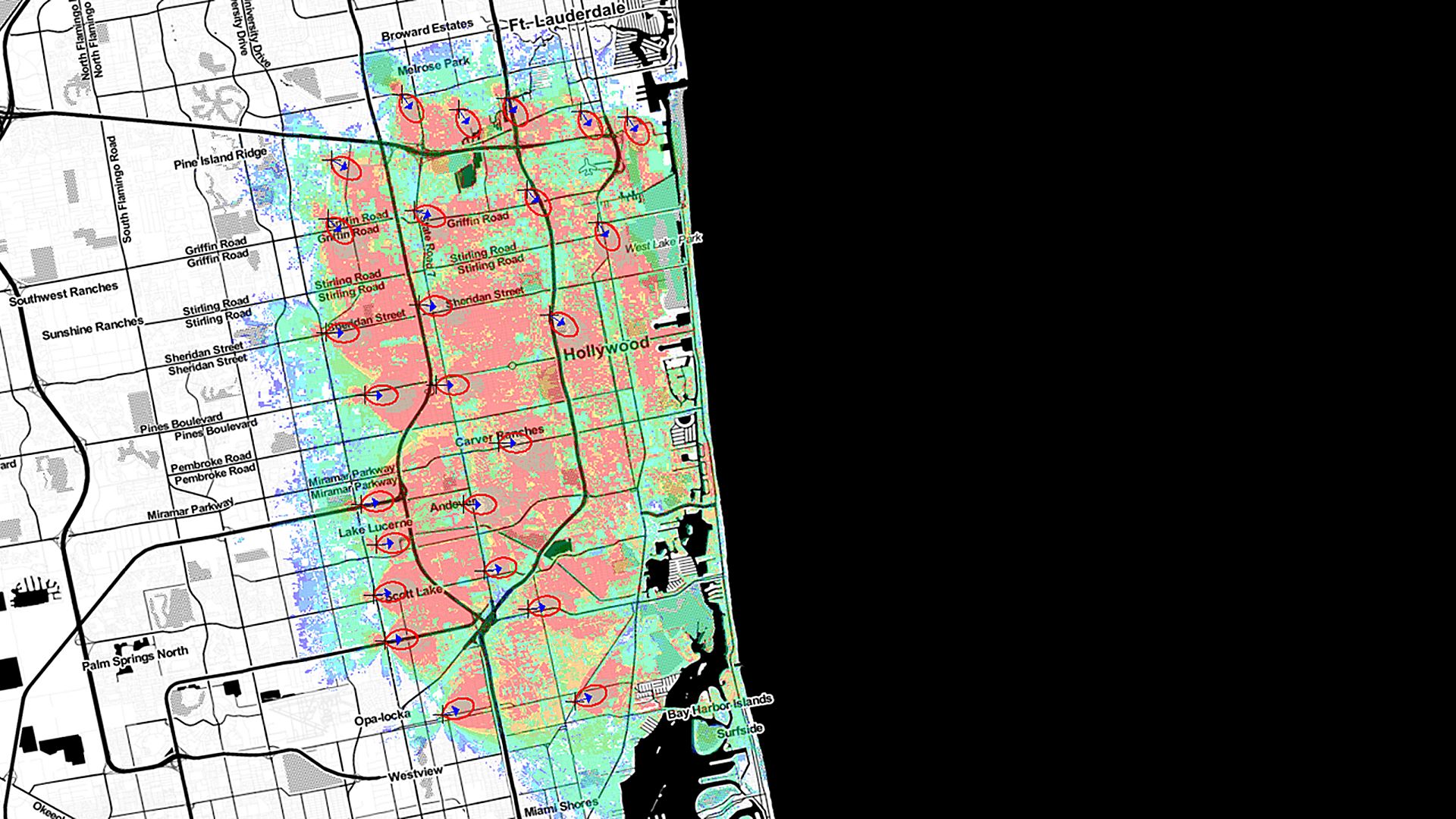
SFN Design Excellence That Powers MaxxCasting™ and ZoneCasting™
GeoBroadcast Solutions (GBS) has a long history of designing and deploying Single Frequency Networks (SFNs) across the communications landscape, from early Land Mobile Radio systems to PCS, digital broadcast, and modern FM booster networks. Today, SFN design remains the technical backbone of our MaxxCasting™ and ZoneCasting™ solutions.
What an SFN Is and Why It Matters
A Single Frequency Network (SFN) uses multiple synchronized transmission cells operating on the same frequency to deliver a stronger, cleaner signal. When time-aligned correctly, SFNs:
Reduce self-interference and multipath artifacts
Enable the most efficient use of spectrum to maximize population coverage
These advantages are central to the way GBS engineers next-generation FM coverage and geo-targeting capabilities.
Increase signal strength at the receiver
Improve coverage reliability along fringe areas and mobile corridors
Enhance indoor reception for portable and handheld devices

Proven Analog FM SFN Design & Field Deployment
GBS technical and spectrum teams have been leaders in analog FM booster SFN design for decades, deploying thousands of sites nationwide. Our patented analog FM stereo SFN architecture remains one of the most widely used and field-proven designs in the United States.
To deepen industry knowledge, we funded one of the largest analog FM listening studies ever conducted in partnership with NPR Labs and Towson University, research that directly informed our ZoneCasting™ R&D, testing, and eventual rulemaking support.
Analog + Digital : Designing for Today’s Hybrid FM Landscape
Digital broadcast technologies such as DAB, ATSC 3.0, and HD Radio continue to accelerate the adoption of SFNs due to the inherent advantages of OFDM modulation. However, FM radio in the United States must operate as an analog-digital hybrid service, which introduces additional engineering constraints.
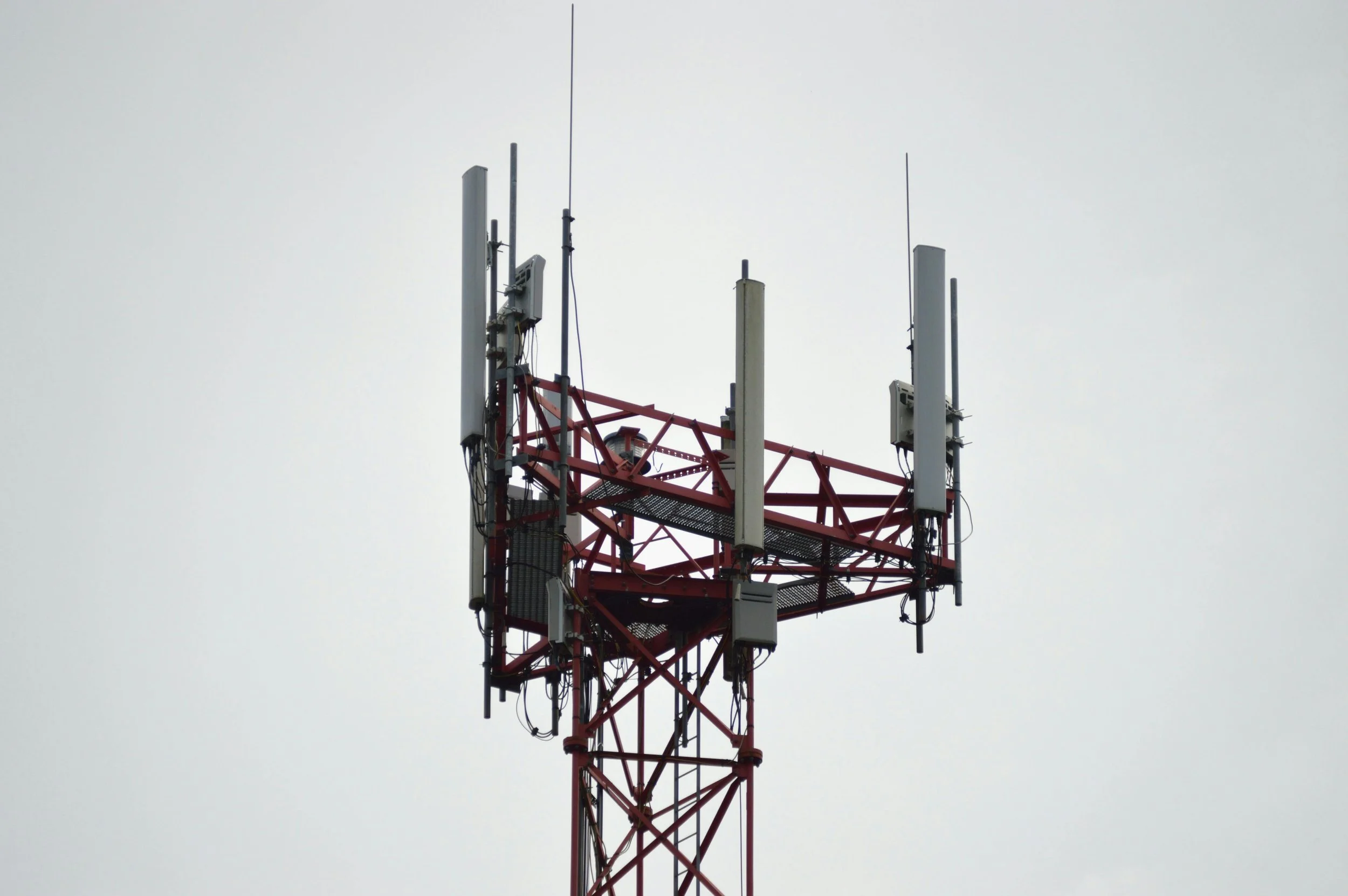
GBS specializes in designing networks that meet these requirements:
Analog FM coverage is engineered first to ensure robust, compliant performance
Digital HD Radio carriers are then fully integrated into the SFN design
Digital-to-analog ratios are maintained within FCC guidelines
Hybrid systems are optimized to avoid interference with both the analog host and adjacent FM channels
This approach ensures broadcasters receive a future-ready network that performs reliably across all receiver types.